Manufacturing is entering a new era of operational visibility
The manufacturing industry is experiencing a profound transformation driven by increasing operational complexity, labor shortages, supply chain disruption, and rapid technological advancements.
Manufacturers are under pressure to:
- Improve throughput
- Reduce workflow disruptions
- Improve production flow
- Increase operational visibility
- Respond faster to operational changes
At the same time, many organizations still operate with disconnected workflows and limited real-time monitoring across manufacturing environments.
According to recent manufacturing research:
- 92% of manufacturers say digital transformation is a strategic priority
- 90% say market conditions are accelerating digitalization priorities
- Yet only 16% report having real-time monitoring across the entire manufacturing process
- 87% struggle to scale digital initiatives beyond pilot programs
As manufacturing environments become more complex, organizations increasingly recognize that actionable visibility is becoming essential for maintaining operational control, responsiveness, and agility across operations.
Key Challenges impacting the Manufacturing industry
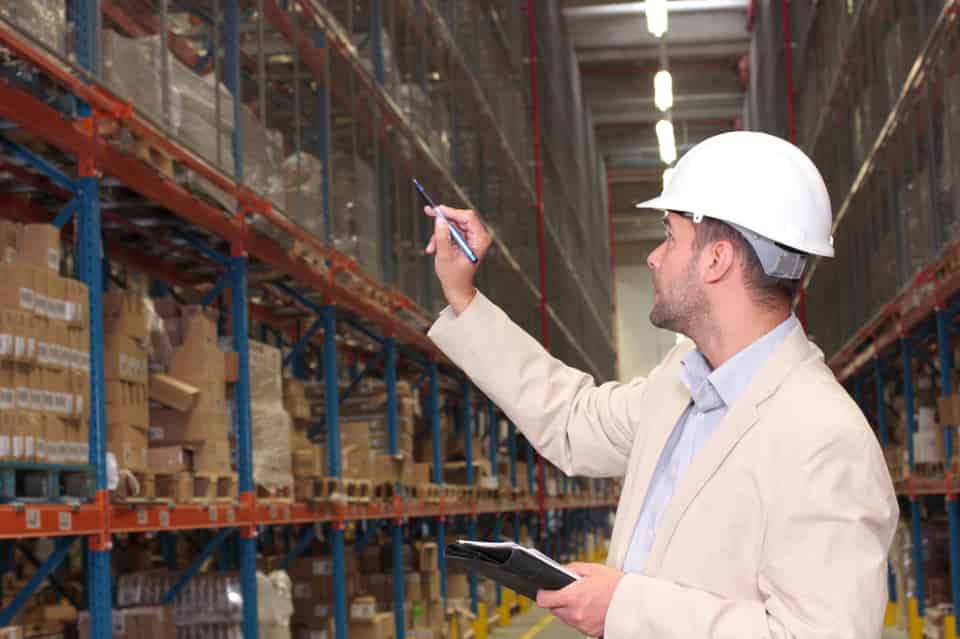
As manufacturing operations become more complex, many organizations are experiencing growing challenges around visibility, workflow efficiency, operational responsiveness, and production continuity.
- Digitalization of operations
- Investment in technology to improve supply chain visibility and traceability to support production
- Needing more immersive technologies to support workflows and assembly lines
- Accommodating sustainability in the manufacturing process
- Integrating advancedtechnologies to increase manufacturing automation
Keeping up with accelerating technology advancements
These challenges are accelerating the shift toward connected manufacturing environments built on greater operational visibility, real-time insight, and more adaptive operations.
Connect workflows and production environments
Manufacturers are increasingly implementing connected technologies that create greater transparency across manufacturing workflows and production environments. This enables organizations to gain visibility into:
- Production flow
- Material movement
- Work-in-progress inventory
- Workflow performance
- Asset availability
Instead of relying on fragmented operational data and delayed reporting, operations teams gain continuous insight into activity across the factory floor.
This helps manufacturers reduce inefficiencies, improve throughput, and maintain more consistent production flow across manufacturing operations. Real-time tracking technologies also support greater workflow conformity by helping manufacturers continuously monitor operational activity and respond faster to disruptions across workflows and production environments.
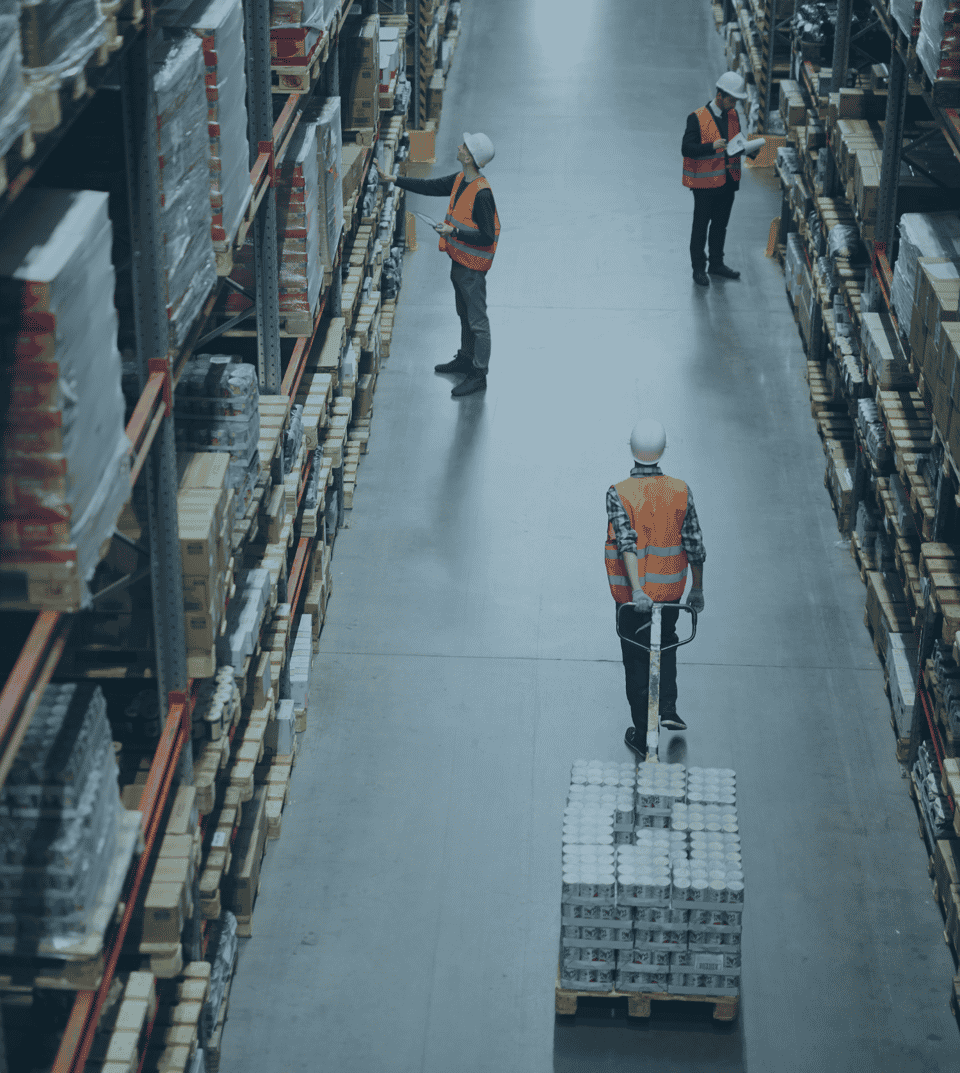
Digital Transformation Maturity Across Manufacturing Operations
As Industry 4.0 initiatives continue accelerating across manufacturing, organizations are increasingly focused on creating connected environments with greater operational visibility and responsiveness across workflows and production operations.
Stage 1: Improve Operations
Stage 2: Connect Workers and Processes
Stage 3: Achieve Real-Time Visibility
Stage 4: Ensure Full Transparency
Stage 5: Enable Predictive Capabilities
Stage 6: Enhance Adaptability
According to recent manufacturing research, 87% of manufacturers struggle to scale digital initiatives beyond pilot programs.
Bridge the gap between IT and OT
As manufacturing environments become more connected, many organizations continue to struggle with fragmented operational data and disconnected systems across operations. While operational teams focus on throughput, production flow, and workflow performance, IT teams are often focused on infrastructure, scalability, and system integration.
This disconnect can make it difficult to:
- Scale digital initiatives across operations
- Integrate operational data effectively
- Maintain visibility across workflows
- Respond quickly to operational changes
According to recent manufacturing research, 89% say IT/OT convergence enables organizations to become more cost- and resource-efficient. Manufacturers that successfully align IT and OT priorities are better positioned to improve operational responsiveness, support connected workflows, and create more adaptive manufacturing environments.

Build a more adaptive manufacturing environment
Manufacturing operations continue moving toward more connected and adaptive environments. Advanced manufacturing organizations increasingly use connected technologies to continuously analyze operational data, support predictive decision-making, and improve responsiveness across workflows and production environments.
Manufacturers that prioritize actionable visibility today are building the operational foundation for:
- Enhanced agility
- Increased resilience
- Smarter manufacturing operations
Connected manufacturing is no longer simply about implementing new technologies. It is about creating manufacturing environments capable of adapting to disruption, supporting growth, and improving performance across operations.
At Lyngsoe, we help manufacturers gain real-time visibility across production operations, inventory, and returnable assets through RFID-enabled solutions. Our solutions enable organizations to track and manage inventory, materials, Returnable Transport Items (RTIs), and reusable assets througout the manufacturing process. By creating accurate, real-time visibility, manufacturers can reduce inventory risk, improve asset utilization, and maintain greater control across operations.
Our Success Stories
See how we help customers improve visibility, efficiency, and operational performance across complex logistics operations.
Get the Latest News on Tracking Technologies
FAQs
What is connected manufacturing?
Connected manufacturing links people, processes, assets, and operational data to create greater visibility across manufacturing operations. By connecting workflows and production environments, manufacturers can improve responsiveness, reduce operational blind spots, and make more informed decisions.
Why is actionable visibility important in manufacturing?
Actionable visibility helps manufacturers understand what is happening across operations in real time. RFID and real-time tracking technologies provide accurate data on inventory, materials, and assets, enabling faster decision-making, improved production flow, and reduced inventory risk.
What is Industry 4.0?
Industry 4.0 refers to the digital transformation of manufacturing through connected technologies, automation, and data-driven decision-making. The goal is to create more agile, efficient, and responsive manufacturing environments supported by real-time operational insight.
What is the difference between IT and OT in manufacturing?
IT (Information Technology) focuses on business systems and data management, while OT (Operational Technology) focuses on equipment, processes, and activities on the factory floor. Bringing IT and OT together helps manufacturers create a more complete view of operations and improve decision-making.
How can RFID support connected manufacturing?
RFID automatically identifies and tracks inventory, materials, assets, and Returnable Transport Items (RTIs) throughout manufacturing operations. This improves traceability, reduces manual processes, and provides the real-time visibility needed to support connected manufacturing initiatives.
How does Lyngsoe LIVE support connected manufacturing?
Lyngsoe LIVE provides real-time visibility into inventory, assets, materials, and operational activity across manufacturing environments. By combining RFID data with operational workflows, the platform helps manufacturers improve traceability, strengthen operational control, and access actionable insights.
How can manufacturers use RFID to manage RTIs and reusable assets?
RFID enables manufacturers to automatically track RTIs such as pallets, containers, and reusable transport assets across operations. This helps improve asset utilization, reduce losses, and maintain greater control over reusable assets throughout the supply chain.