Smart warehouse solutions for real-time control
Warehouse operations are under increasing pressure. Rising customer expectations, higher volumes, and more complex supply chains demand speed, accuracy, and visibility.
Yet many warehouses still rely on manual processes and limited data. By replacing manual workflows with automated, data-driven operations, smart warehouse solutions help organisations gain real-time control, improve efficiency, and ensure reliable performance.
What are smart warehouse solutions?
Smart warehouse solutions use advanced technologies to create a digitally connected warehouse environment.
These solutions combine hardware and software to support:
- Real-time inventory tracking
- Automated workflows
- Continuous data collection and analysis
- Seamless integration across systems
Instead of relying on manual processes, smart warehouses use data to optimise every part of the operation.
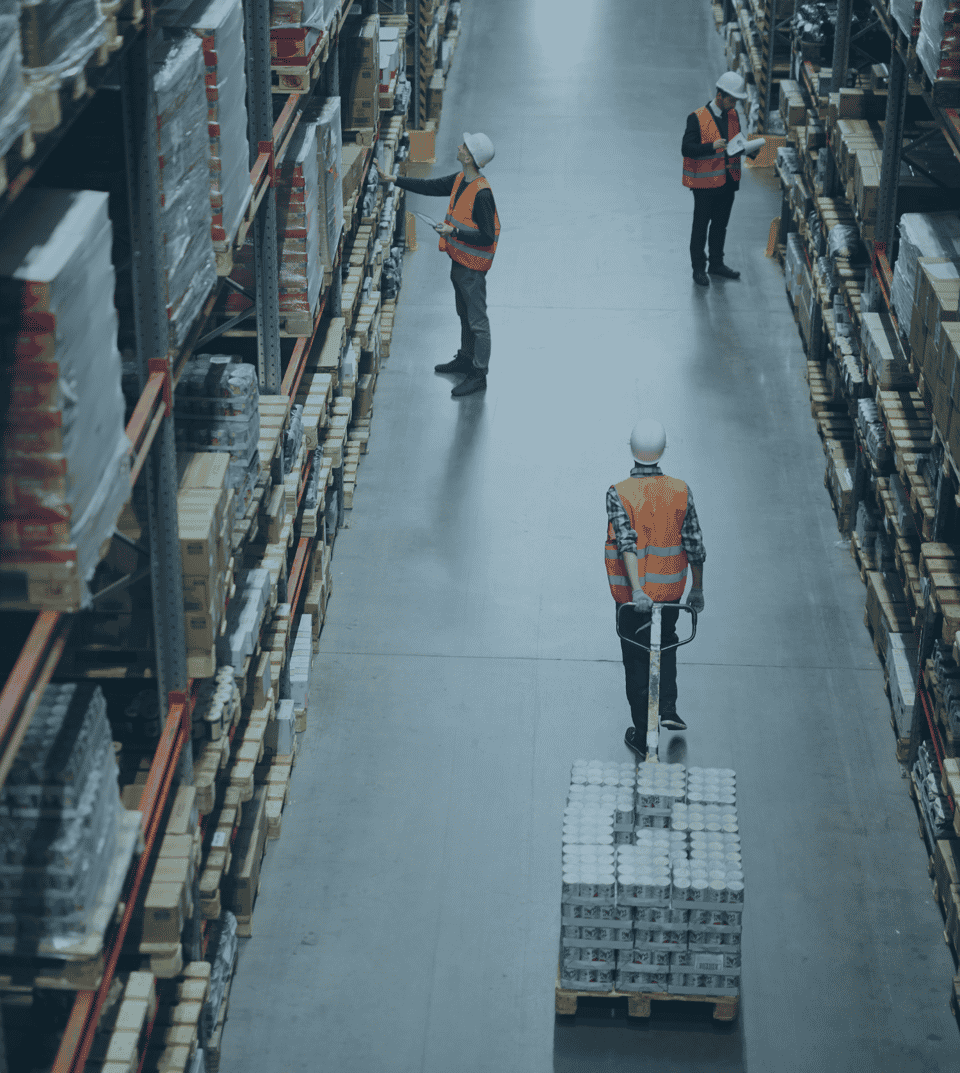
The challenge of traditional warehouse operations
Without smart technologies, warehouses often face:
- Limited visibility of inventory and asset location
- Manual processes that slow down operations
- Errors in picking, packing, and shipping
- Inefficient use of warehouse space and resources
- Difficulty scaling operations as demand grows
These challenges can lead to delays, increased costs, and reduced service levels.
Key benefits of smart warehouse solutions
- Real-time inventory visibility
- Faster order fulfilment
- Reduced errors and losses
- Lower operational costs
- Improved scalability
- Better decision-making
These benefits help organisations operate more efficiently and reliably.
Lyngsoe' approach to smart warehouses
At Lyngsoe, smart warehouse solutions connect physical warehouse movements with real-time digital data. By combining RFID, automation, and software platforms, organisations gain continuous visibility, accuracy, and control across the entire warehouse flow.
This enables them to move from reactive warehouse management to proactive, data-driven operations.

Key technologies in smart warehouses
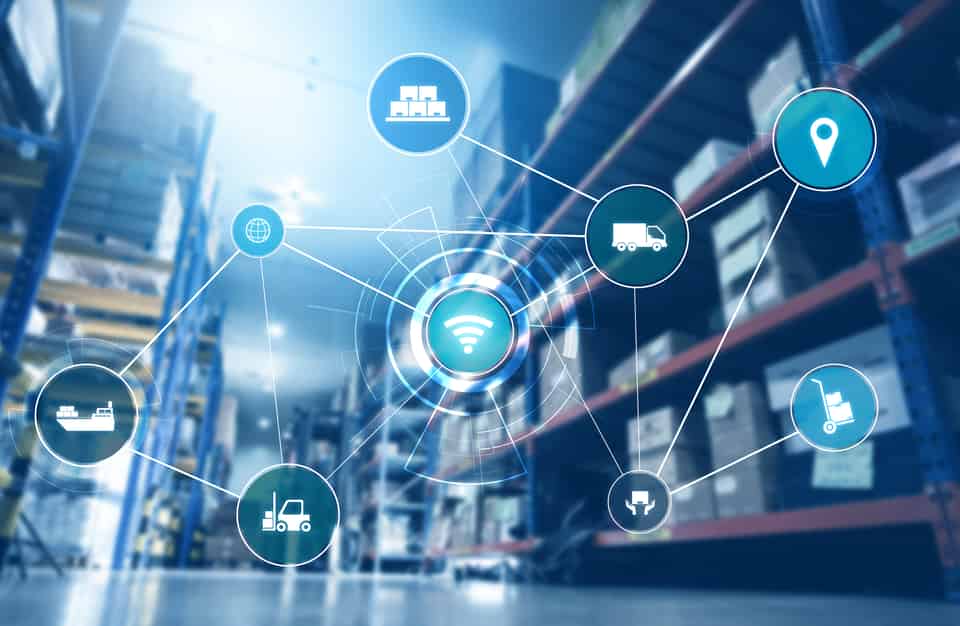
Smart warehouses combine multiple technologies to create a connected and efficient operating environment.
- RFID (Radio Frequency Identification) enables real-time inventory tracking without the need for manual scanning, providing high accuracy and full visibility at all times.
- Automation and robotics streamline warehouse operations through automated picking, sorting, and handling processes, reducing manual work and increasing operational speed.
- Warehouse Management Systems (WMS) act as the central control layer, managing inventory, coordinating workflows, and integrating seamlessly with ERP and logistics systems.
- IoT devices and sensors continuously monitor assets and operational conditions, ensuring improved tracking, visibility, and control across the warehouse.
How smart warehouses create business value
Smart warehouse solutions transform operations by replacing fragmented and manual processes with connected and automated workflows.
This enables organisations to:
- Improve order accuracy and speed
- Reduce operational costs
- Optimise resource utilisation
- Enhance customer satisfaction

Our Success Stories
See how we help customers improve visibility, efficiency, and operational performance across complex logistics operations.
Get the Latest News on Tracking Technologies
FAQs
What is a smart warehouse?
A smart warehouse is a digitally connected warehouse that uses technologies such as automation, RFID, and data-driven systems to improve efficiency, accuracy, and real-time visibility across operations.
How does a smart warehouse work?
A smart warehouse connects technologies such as RFID, warehouse management systems (WMS), automation, and IoT devices in one integrated environment. These systems capture and process real-time data, enabling automated workflows and continuous optimisation of warehouse operations.
What technologies are used in smart warehouse solutions?
Smart warehouse solutions typically include RFID for real-time tracking, WMS platforms for workflow management, automation and robotics for material handling, and IoT sensors for monitoring assets and conditions across the warehouse.
Are smart warehouse solutions scalable?
Smart warehouse solutions are highly scalable and can be implemented gradually. Organisations can start with specific processes—such as tracking or automation, and expand the solution as operational needs evolve.