Case Story: Aalborg Airport
Digitalizing Airport Baggage Handling with RFID Technology
In partnership with Lyngsoe, Aalborg Airport digitalized every bag movement — from bag drop to aircraft loading — with fully integrated RFID technology, achieving real-time visibility, automated reconciliation, and IATA compliance.
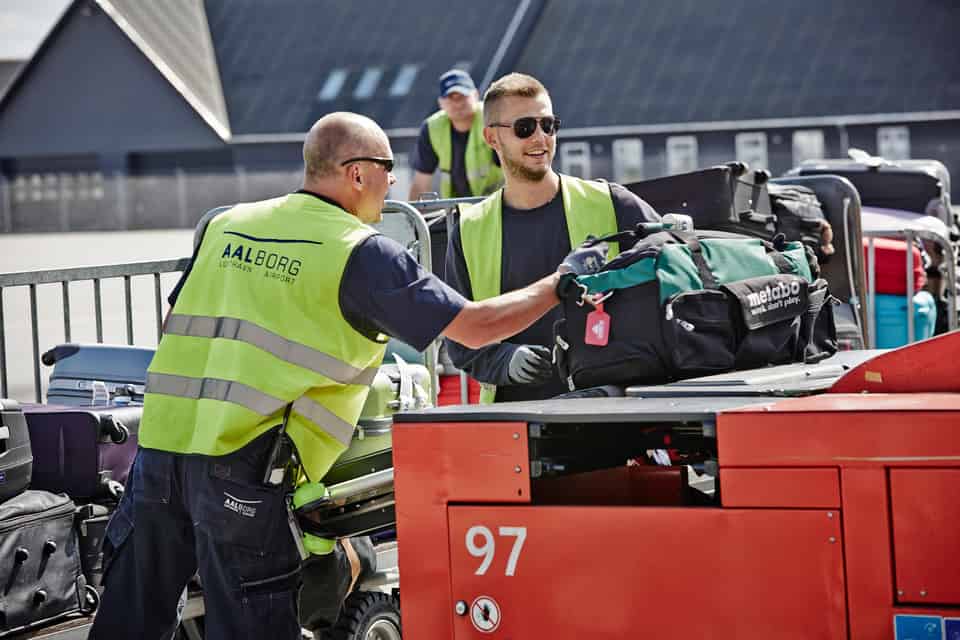
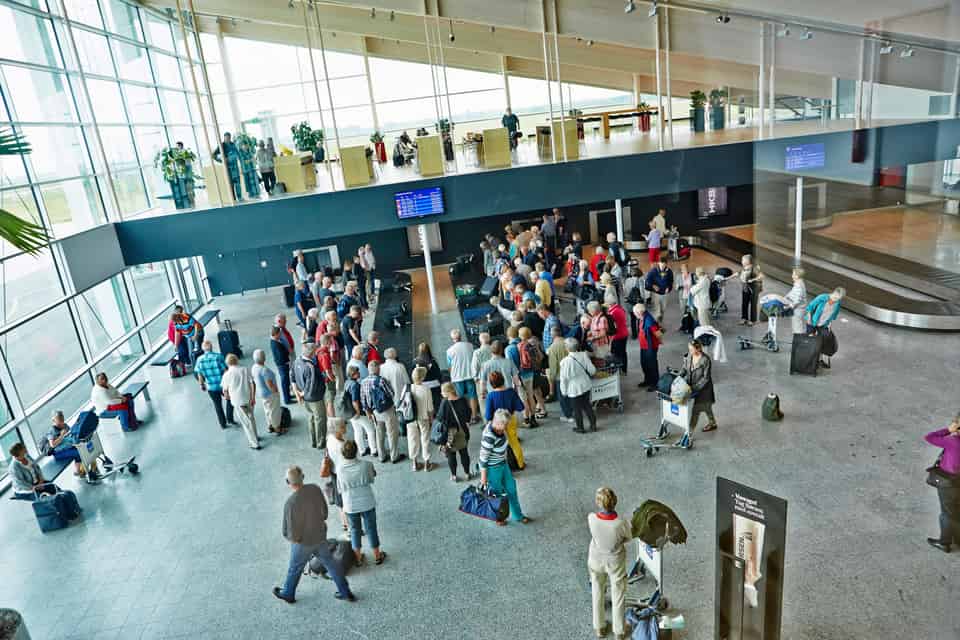
About Aalborg Airport
Aalborg Airport is Denmark’s third-largest airport, serving approximately 1.6 million passengers annually. As a regional airport operating in a highly competitive aviation environment, Aalborg Airport prioritizes operational stability, passenger experience, and intelligent automation to ensure predictable, efficient baggage operations.
The Challenge:
Limited Visibility and Manual Dependencies in a Compact Airport Environment
For a regional airport, operational stability is not optional — it is essential.
At Aalborg Airport, even minor disruptions can have a significant impact. Limited resources and compact operations mean that downtime in the baggage handling system (BHS) and lost or mishandled baggage are not just operational issues – they directly affect passenger experience, airline performance, and airport reputation.
To maintain reliability and efficiency, Aalborg Airport needed to:
- Increase visibility across the BHS
- Automate data capture at self-service bag drop
- Reduce dependency on manual handling in a smaller airport setup
- Digitally verify physical baggage movement
- Ensure compliance with IATA Resolution 753 and RP1740c
- Improve reconciliation during aircraft loading
- Minimize system downtime and operational disruptions
- Reduce the risk of lost or mishandled baggage
Manual scanning and limited data visibility create inefficiencies, increase labor costs, and introduce risk into critical workflows. When processes rely on manual intervention, the likelihood of delays, errors, and system interruptions rises, making it difficult to maintain consistent uptime and operational control.
Without real-time tracking and automated validation, it becomes challenging to identify where a bag has been or whether it has been handled correctly. This lack of visibility increases the risk of mishandled baggage and reduces the ability to proactively prevent issues before they impact operations.
As Kim Bermann, Deputy Director & COO at Aalborg Airport, explains:
“At Aalborg Airport, operational stability and passenger experience are fundamental. Our partnership with Lyngsoe has spanned almost 20 years and is built on trust, continuity, and a shared understanding of airport operations.”

The Solution:
Fully Automated RFID-Enabled Baggage Tracking – Integrated into the Core Infrastructure
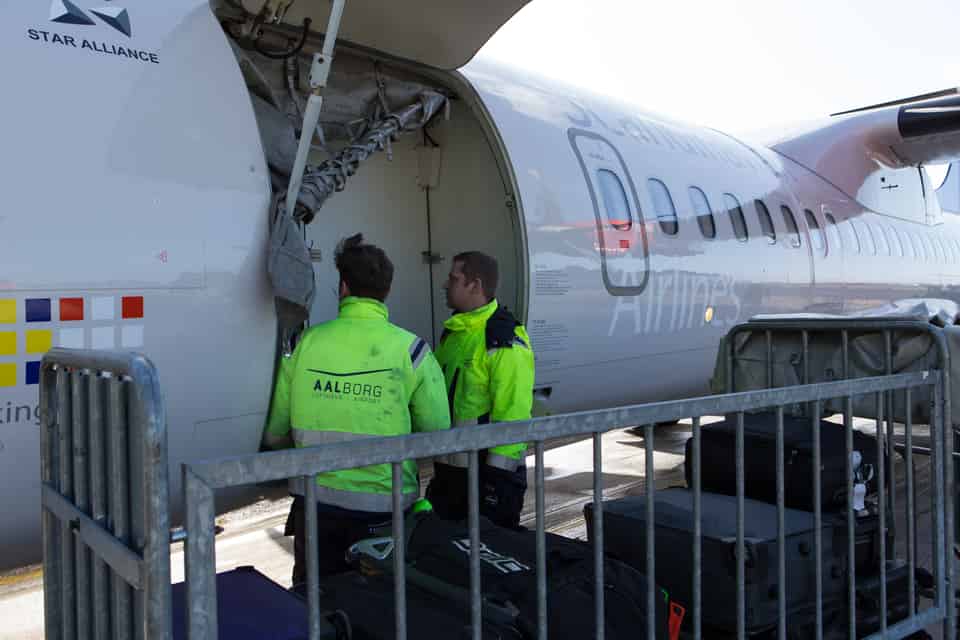
Lyngsoe has supported Aalborg Airport for almost two decades, delivering both the Sort Allocation Controller (SAC) and RFID-enabled baggage tracking capabilities that today form the backbone of the airport’s baggage handling system (BHS).
As Bastian Bech Hedegaard Gaardahl, Sales Director at Lyngsoe, adds:
“By combining our Sort Allocation Controller with RFID tracking, we have helped Aalborg Airport move from manual processes to fully automated and data-driven baggage handling.”

Rather than adding manual scanning layers, Lyngsoe delivers purpose-built RFID hardware fully integrated into Aalborg Airport’s BHS, enabling seamless, hands-free scanning across critical process points.
The solution includes:
- Five self-service RFID bag drops
- Two RFID sortation readers
- Five belt loader readers installed on loading equipment
- Real-time data filtering and processing
- Automated reconciliation at aircraft loading
- IATA Resolution 753 and RP1740c compliant infrastructure
Through automated live capture, physical baggage movement is transformed into validated digital events, creating end-to-end traceability, high data accuracy, and full operational control.
As Kim Bergmann continues:
“This long-term partnership provides us with confidence in the accuracy and reliability of the data that underpins our baggage handling processes. Lyngsoe delivers more than technology. They bring expertise, insight, and solutions that ensure valid, real-time data across critical workflows.
Through RFID integration, we achieve full transparency across the entire baggage handling process from check-in to the baggage being loaded and verified onboard the aircraft. With seamless, hands-free scanning, we eliminate manual control points and ensure consistent, high-quality data capture throughout the journey.”
The Proof:
Measurable Improvements in Visibility, Efficiency, and Reliability
By digitalizing and verifying baggage at every critical checkpoint – from bag drop through sortation to aircraft loading – Aalborg Airport has achieved measurable improvements across its operations.
Operational Results:
- Increased check-in utilization
- Faster self-service bag drop process
- High sortation read rates
- Automated reconciliation during aircraft loading
- Reduced reliance on manual scanning
- Improved system availability and operational stability
- Real-time, accurate visibility of baggage status
Kim Bermann summarizes the outcome:
“For Aalborg Airport, this results in visibility control and efficiency across the entire baggage handling process. For our passengers, it means predictable operations, fewer disruptions, and a smoother, more reliable travel experience.”
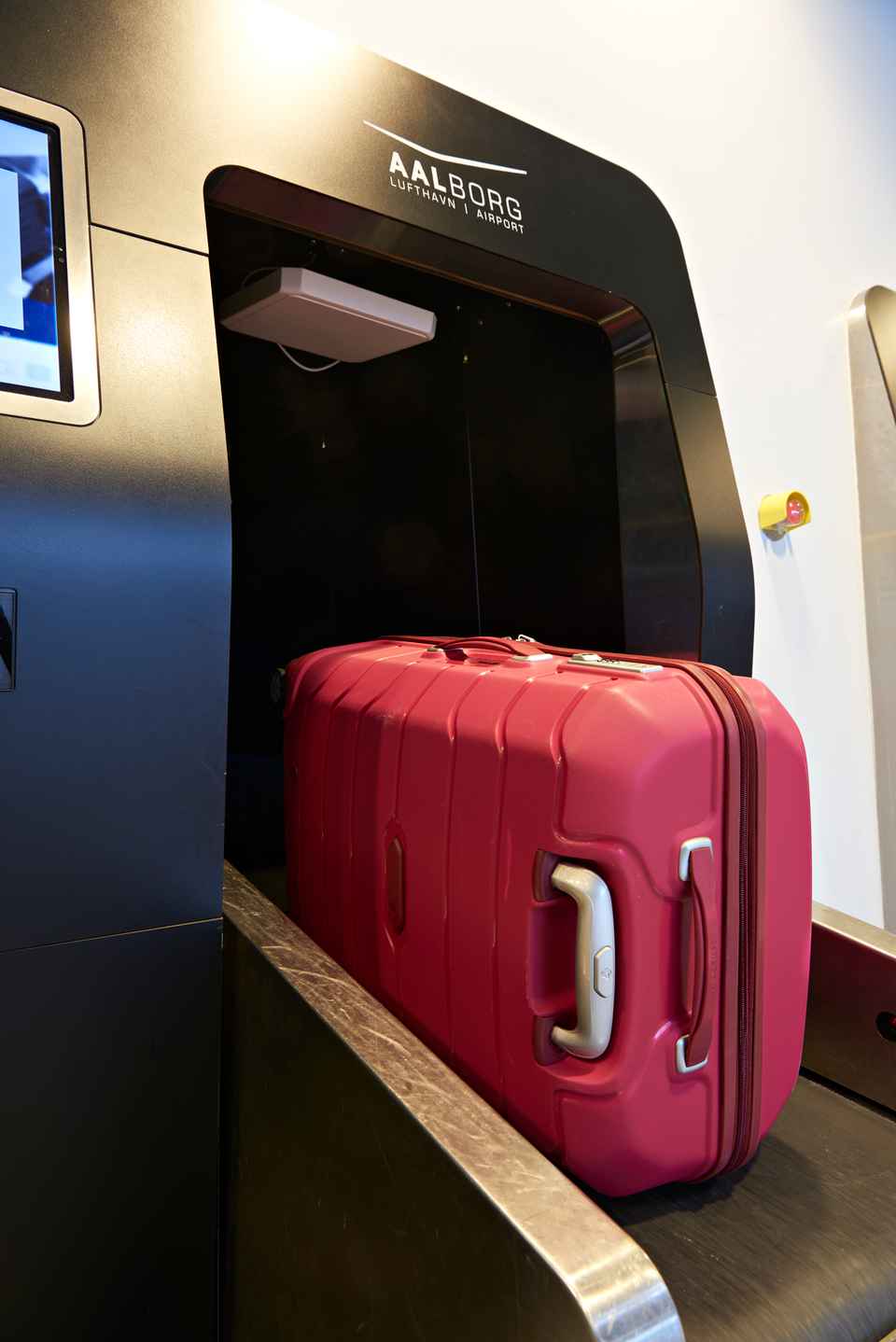
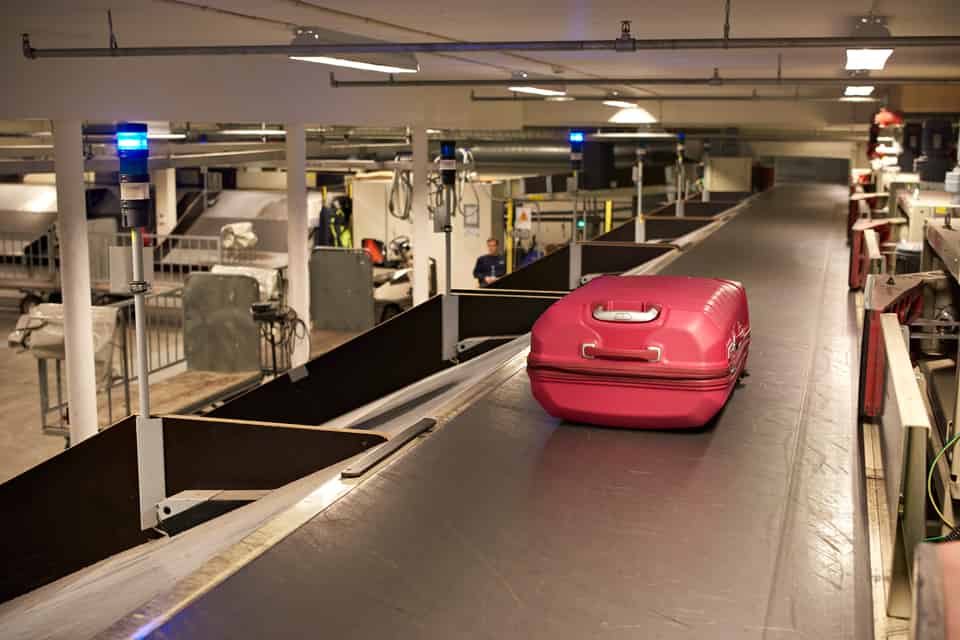
For passengers, this means:
- Shorter waiting times at check-in
- Greater confidence that baggage will arrive as expected
- Fewer delays caused by manual validation
- Real-time baggage status accuracy
- A more predictable and stress-free travel experience
Passengers may not see the technology, but they experience the results: reliability, efficiency, and trust.
Strategic Value for Aalborg Airport
By implementing fully integrated RFID baggage tracking, Aalborg Airport has moved beyond process improvement, strengthening its foundation for long-term operational excellence.
The Solution Delivers:
End-to-End Baggage Visibility
Complete transparency across the entire baggage journey, enabling data-driven decision-making at every operational level.
Automated Validation of Physical Objects
Every bag movement is digitally verified in real time, eliminating manual control points and ensuring process integrity.
Reduced Labor Dependency
Automation reduces reliance on manual scanning, allowing staff to focus on higher-value tasks.
Cost Avoidance Through Error Prevention
Fewer mishandled bags reduce disruptions, claims, and recovery costs.
IATA-Compliant, Future-Ready Infrastructure
It ensures compliance while supporting future digital and regulatory requirements.
Scalable Digital Foundation
A flexible architecture that enables continuous optimization and future expansion.
Improved Passenger Satisfaction
Accurate handling and real-time verification ensure bags arrive as expected, reducing disruptions and improving the passenger experience.
By turning physical baggage into verified digital data, Aalborg Airport has transformed operational complexity into controlled, measurable performance, strengthening operational excellence, improving reliability, and delivering a better passenger experience.

Ready to Digitalize and Verify Your Logistics Operations?
At Lyngsoe, we enable reliable, cost-effective logistics operations powered by intelligent automation, real-time data capture, and RFID-enabled tracking.
Let us help you unlock full visibility, traceability, and control across your complex supply chain operations.
Contact us to explore intelligent baggage tracking solutions.
Find More Inspiration