Case Story: Bpost
Bpost Gains Real-Time Visibility Across 93,000 Roll Containers, Reducing New Asset Purchases by 85%.
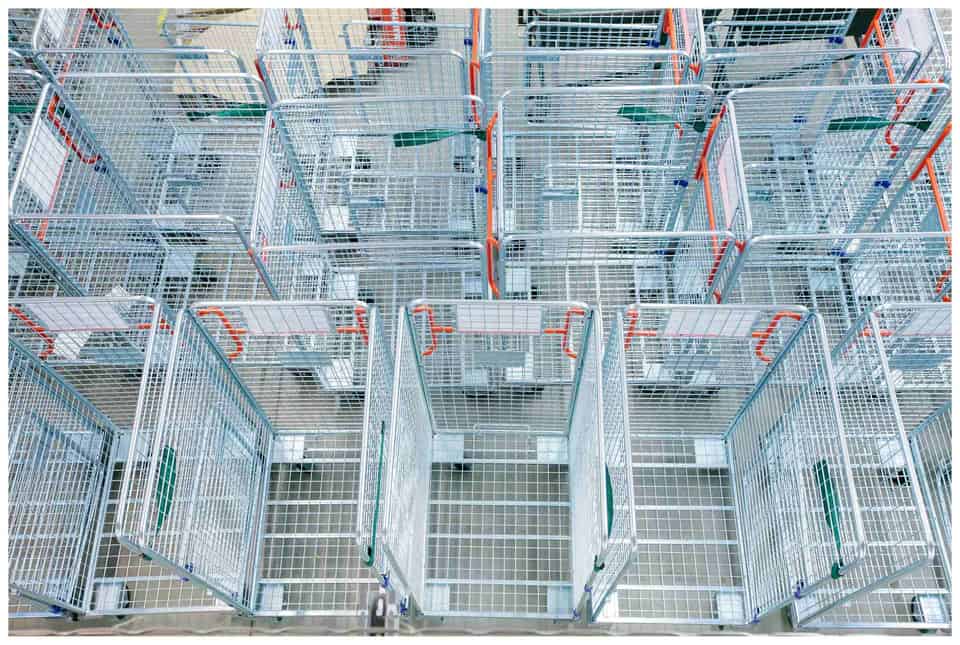
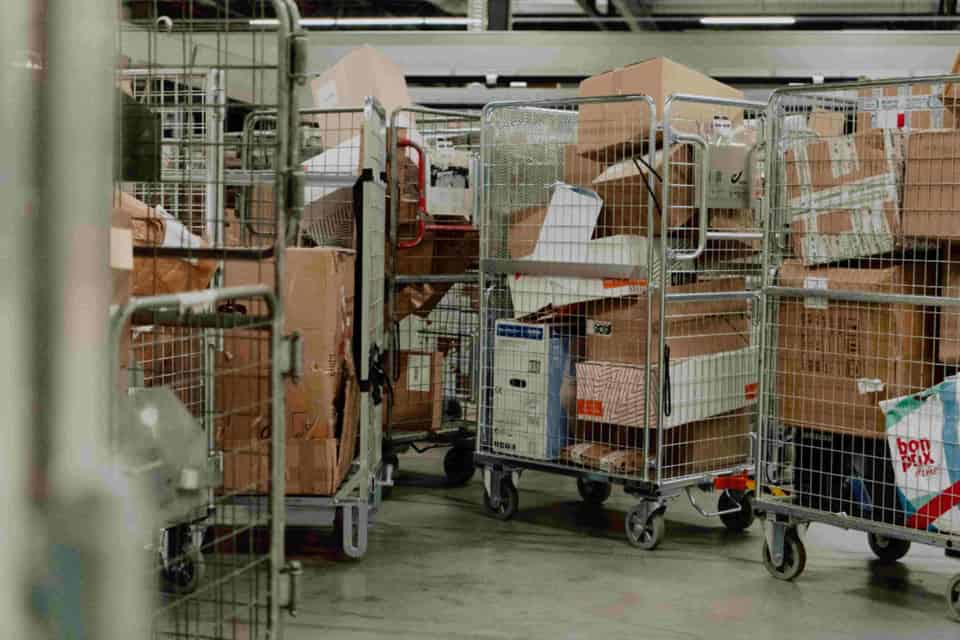
In Bpost’s logistics network, which processes more than half a million parcels every day, roll containers play an important role. The metal carts are used to transport parcels quickly and efficiently within and between distribution and sorting centres.
With 93,000 units, each capable of holding up to 30 parcels, the containers represent important assets for the company. It is therefore essential that they are managed efficiently and intelligently.

How Bpost Transformed Roll Container Management
Bpost has equipped its 93,000 parcel containers in Belgium with live-tracking devices. The initiative has also received international recognition, with a nomination at the Postal & Parcel Technology International Awards in London for ‘Transport Innovation of the Year’.
Connecting RFID, BLE, GPS and intelligent software
Lyngsoe delivered an IoT-based Asset Flow Management solution
85% fewer new containers
From container visibility to end-to-end parcel tracking
A scalable platform for additional use cases
(Photo courtesy of Bpost)
Learn From Others
Get the Latest News on Tracking Technologies
What is a roll container tracking system?
A roll container tracking system provides real-time visibility of logistics assets such as roll cages, carts and containers as they move through distribution centres, transport networks and customer locations. By combining technologies such as RFID, BLE and GPS, companies can track asset movements, improve utilisation and reduce losses.
Why did Bpost implement live tracking for its roll containers?
Bpost implemented live tracking to gain real-time visibility of its 93,000 roll containers across a complex parcel logistics network. The solution helps the company understand asset flows, optimise container utilisation, improve logistics planning and support more accurate parcel tracking.
How does roll container tracking improve logistics efficiency?
Roll container tracking improves logistics efficiency by showing where assets are located, how they move through the network and where delays occur. This enables logistics operators to reduce dwell times, improve asset utilisation, prevent shortages and respond more quickly to operational disruptions.
What technologies are used in the Bpost asset tracking solution?
The solution combines passive RFID, Bluetooth Low Energy (BLE), GPS data and Lyngsoe's Asset Flow Management software. Together, these technologies provide accurate identification, location tracking and operational insights across the logistics network.
How does RFID improve roll container management?
RFID enables fast and reliable identification of roll containers at fixed process points such as sorter chutes, dock doors and staging areas. This helps create accurate logistics events and improves inventory accuracy throughout the network.
What role does BLE play in logistics asset tracking?
BLE technology extends visibility beyond fixed RFID read points by enabling roll containers to be detected throughout buildings, transport vehicles and external locations. This provides more continuous tracking of assets in motion.
How can asset tracking reduce logistics costs?
Asset tracking helps reduce costs by improving utilisation of existing assets, reducing losses and minimising unnecessary purchases. In Bpost's case, improved visibility enabled an 85% reduction in new roll container purchases without affecting operations.
How can logistics companies improve peak-season operations?
Real-time tracking data enables logistics companies to identify shortages and surpluses of containers before they impact operations. During peak periods, this visibility helps ensure critical assets are available where they are needed most.
What is Asset Flow Management?
What is the ROI of roll container tracking?
How do RFID and BLE work together in a logistics tracking solution?